

Travel should feel exciting, not stressful. When you are traveling with a wheelchair, preparation often makes the biggest difference. A few thoughtful decisions before leaving home can help the entire trip feel smoother and more enjoyable once you are on the road.
Whether you are planning a road trip, visiting family, or heading out for a weekend getaway, these practical tips can help make traveling with a wheelchair more comfortable and predictable.
Tip #1: Start With the Right Transportation
One of the most important parts of accessible travel planning is deciding how you will get to your destination. When transportation works well, the rest of the trip often becomes easier to manage.
Many wheelchair users prefer road travel because it provides more control over timing, rest breaks, and accessibility. You can choose when to stop, where to go, and how long to stay at each destination. Having access to a properly equipped vehicle also reduces reliance on public transportation or rideshare services that may not fully meet accessibility needs.
Choose a Vehicle Designed for Wheelchair Access
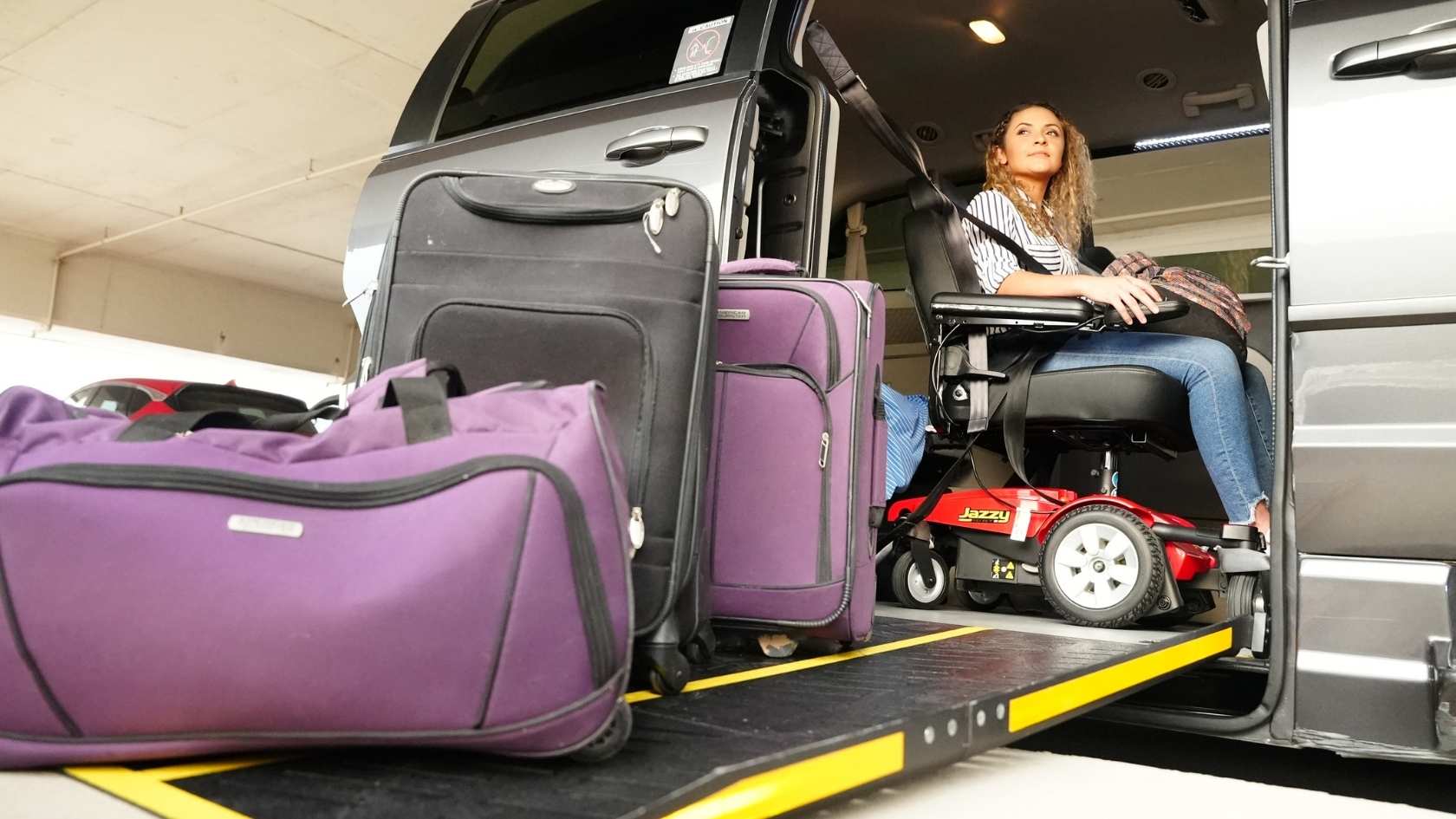
Wheelchair accessible vans are built with ramps or lifts, securement systems that safely anchor your wheelchair during transit, and interior space designed for safe and comfortable travel. These features allow travelers to remain in their wheelchairs during transit if they prefer, reducing fatigue and simplifying daily routines.
For longer trips or special occasions, many families choose to rent an accessible van. With a wheelchair accessible van, you can travel on your schedule, stop when you need to, and stay in your chair if that’s your preference.
Learn more about accessible van rentals
Planning transportation in advance can remove a major source of uncertainty and allow travelers to focus more on enjoying the journey.
Tip #2: Confirm Accessibility Before You Arrive
Online accessibility descriptions can be helpful, but they do not always tell the full story. Calling ahead and asking detailed questions can help prevent unexpected challenges upon arrival.
Hotels, attractions, and restaurants may list accessible features on their websites, but important details such as doorway width, bathroom layout, or parking proximity can vary. Taking a few minutes to confirm these features can make a significant difference in comfort and convenience.
For accessible trip ideas, view our 5 Best Travel Ideas Guide.
Ask Specific Questions When Booking
- Are entrances step-free?
- Is there enough space for wheelchair turning in bathrooms?
- Are elevators available to reach upper floors?
- Are accessible parking spaces located close to the entrance?
Accessibility awareness continues to grow across the country. These initiatives encourage businesses to improve access and support inclusive travel experiences.
The Americans with Disabilities Act provides guidelines that many public spaces must follow. You can review official accessibility information at https://www.ada.gov.
Confirming details before arrival can save time, reduce stress, and help travelers feel more confident throughout the trip.
Tip #3: Plan Your Route and Stops Ahead of Time
Mapping your route ahead of time gives you more control over the trip. This does not mean planning every minute, but knowing where accessible rest stops, restaurants, and fuel stations are located can help the journey feel more relaxed.
Not all rest areas offer the same level of accessibility. Some provide wide parking spaces, smooth pathways, and spacious restrooms. Others may be more difficult to navigate.
Use Accessibility Tools and Maps
Digital tools now make travel planning easier than ever. Google Maps includes wheelchair accessibility information for many locations based on community feedback. Accessible travel forums and review sites can also provide helpful insights into real-world experiences at hotels, parks, and attractions.
Planning ahead is especially useful for longer drives or trips through unfamiliar areas. It can help travelers avoid situations where the nearest accessible facility is far away.

Tip #4: Pack With Accessibility in Mind
Packing for any trip requires preparation, but traveling with mobility equipment often involves a few additional considerations. Small items can make daily routines easier and provide peace of mind while away from home.
Bring the Essentials for Your Mobility Equipment
- A portable repair kit or basic tools
- Spare wheelchair cushions or covers
- Chargers for powered mobility devices
- Medical documentation for longer journeys
These items may not always be needed, but having them available can make unexpected situations easier to manage. It is also helpful to pack comfort items, such as hydration supplies, medications, and travel-friendly supports, that can be quickly accessed during long drives.
Tip #5: Give Yourself Flexibility in the Schedule
One of the most helpful strategies for accessible travel is building extra time into the itinerary. Accessible routes, elevators, and parking areas may take longer than standard travel paths.
Planning at a comfortable pace helps travelers stay relaxed and focused on the experience rather than feeling rushed.
Focus on Enjoying the Experience
Trips often feel more enjoyable when there is time to explore, rest, and adjust plans as needed. Scenic drives, small towns, and nature-focused destinations can work particularly well because they allow travelers to move at their own pace.
Having access to your own wheelchair accessible vehicle makes this flexibility easier. Travelers can stop when they choose, explore comfortably, and adapt plans without depending on fixed transportation schedules.
Wheelers Accessible Van Rentals provides wheelchair accessible vans that help travelers maintain independence and confidence while visiting destinations across the United States.
Thoughtful Planning Makes Travel Easier
Traveling with a wheelchair does not limit where you can go. It simply means approaching each trip with a little extra preparation. Choosing accessible transportation, confirming accessibility in advance, planning stops, packing essential equipment, and allowing time flexibility can transform the overall travel experience.
Accessible travel continues to improve as more destinations recognize the importance of inclusive design and mobility support. Today, wheelchair users have more options than ever before, especially when thoughtful planning is part of the journey.
If you are preparing for an upcoming trip, consider exploring accessible van rental options that provide greater comfort and freedom.
A little preparation helps ensure that once you arrive, you can focus on what travel is truly about: experiencing new places, spending time with loved ones, and enjoying the journey with confidence.